How does Maison Margiela Replica transform memories, places and everyday experiences into marketable products through multisensory storytelling?
On manufactured nostalgia, the packaging of longing, and what happens when a brand outsources your imagination for you.
Two hundred years ago, wanting something was not supposed to feel good. It was a gap to close and not a feeling to enjoy, a lack you noticed and fixed, and the wanting itself had no value of its own. The sociologist Colin Campbell, in The Romantic Ethic and the Spirit of Modern Consumerism, argues that this changed in the late eighteenth century, when Romantic culture began treating imagination and longing as pleasures in their own right and not discomforts to be resolved as quickly as possible.
If longing itself could be made pleasurable two centuries ago, today's most sophisticated brands have gone a step further: they no longer wait for you to want something on your own, they manufacture the memory you're supposed to be longing for in the first place. Maison Margiela's Replica line is one of the clearest examples of this logic in fragrance, and one of the most literal: not selling a scent, but a manufactured memory, bottled in glass with a fragrance description that reads like a pharmaceutical prescription, right down to the notes listed in dosage order. Where a brand like Le Labo sells anonymity and a single city, or Glossier sells a version of your own skin back to you, Replica sells you somebody else's evening. The packaging becomes a metaphor for the modern-day consumer: nostalgia, dispensed and dosed like medicine.
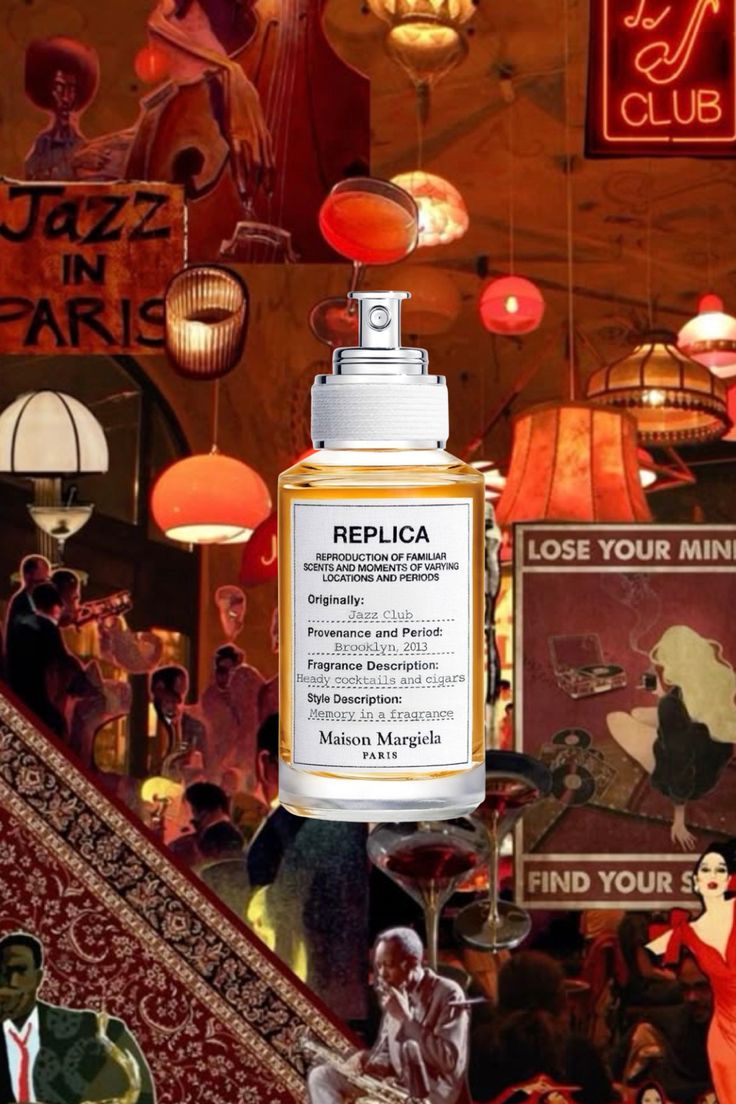
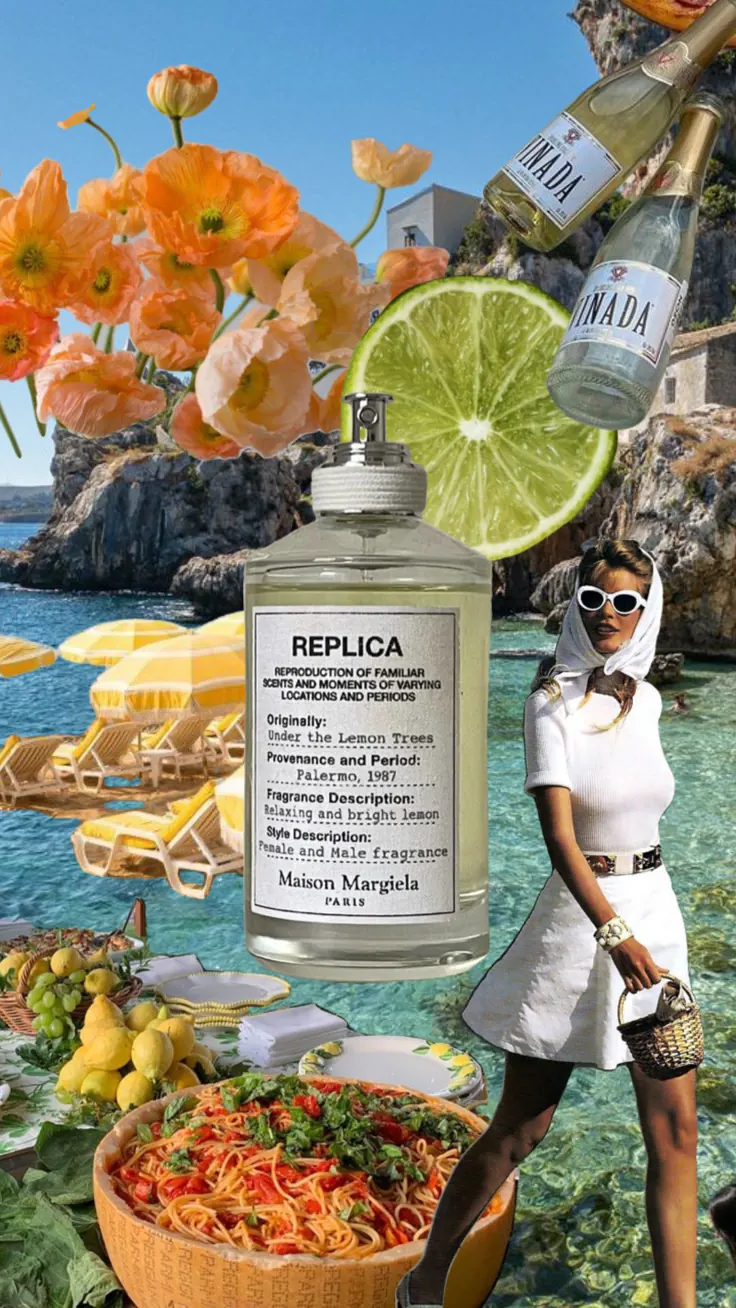
The packaging and description of this particular fragrance play on several layers to instigate desire in the consumer. The diagram below sets out the core idea behind the analysis that follows.

There are three kinds of memory at work in the act of purchase: individual memory, collective memory, and imagined memory. Individual memory is private and specific, an afternoon walk through your hometown in autumn 2022, something no fragrance can actually recall, only gesture toward, leaving space for the customer to pour their own version in. Collective memory is shared and cultural: fresh laundry, a coffee break, the things almost everyone recognizes without needing to be told what they mean. Imagined memory is the strangest of the three, because it is not a memory at all. It is a fantasy borrowed from film, photography, and myth, and sold back to the customer as though it were something once lived.
Replica's Jazz Club is the clearest case of this. Its notes of pink pepper, rum, tobacco leaf, and vanilla are built to conjure a private jazz club in Brooklyn in 2013: cigar smoke, cocktails, a saxophone somewhere in the back room. Almost none of the people who buy it were ever actually in that room.
This extends Campbell's argument in a direction he could not have anticipated. For the Romantic consumer, longing and imagination were the pleasure, often more desirable than the product that finally arrived. Today's consumer is deprived of even that labor: the imagining has already been done for them, by a marketing team that has calculated in advance what will make them feel something, and packaged the feeling ready to wear.
The second half of Replica's method is Atmosphere, which works on two fronts: place and the senses. A scent alone asks you to imagine a room. Replica surrounds the scent with campaign imagery, a consistent visual language, and sometimes sound, so that smell arrives already accompanied by a place to put it. The bottle doesn't just ask "what does this smell like," it answers "where you are and who you're with while you smell it," closing the gap an unbranded perfume would have left open.
That is the real transformation the name performs. A replica is not an original experience, it is a copy of one, manufactured at scale and sold to people who never had the original to begin with. Margiela's fragrances don't just describe a memory, they replace the work of having one. What Campbell's Romantic consumer once did for themselves, dreaming a version of a life they didn't yet have, Replica now does on their behalf, and charges for the privilege.